I need reading glasses what do i do
I need reading glasses what do i do
Do I Need Reading Glasses?
In this Article
Age has an effect on your eyes just like it does on your joints and other parts of your body. When you reach your 40s, the natural internal lenses in your eyes become less flexible. They can’t focus as easily from near to far vision like they could when you were younger.
As your eyes get less flexible, your close vision gets worse. It’s a condition called presbyopia, and it may make you wonder if you need reading glasses.
Here are a few signs that you do:
How to Choose a Strength
Choose the weakest (lowest number) glasses that will work for you.
Keep in mind that these glasses might not fit you as well as prescription glasses. They also don’t correct astigmatism (a common condition that causes blurred vision), and they can’t be adjusted if you need a different strength in each eye.
Also, your vision can change as you get older. You might need to buy a stronger pair of reading glasses in a year or two.
When to See Your Doctor
If your close vision is blurry, make an appointment with your eye doctor for an exam. They can recommend a reading glass strength or write a prescription based on your exam. And it’s always a good idea to get checked for other eye issues.
If you need glasses for distance vision as well, you might want to consider bifocals, trifocals, or progressive lenses. Bifocals help you see both close up and far away. Trifocals and progressive lenses adjust for close, middle, and distance viewing.
See your eye doctor right away if:
The American Academy of Ophthalmology recommends that you get a baseline eye exam at age 40. This is when many vision problems, including presbyopia, may start.
After that, you should get exams:
What would you like to learn about next?
Show Sources
American Academy of Ophthalmology: «Do I need store-bought or prescription reading glasses after cataract surgery?» «Eye Exams 101.»
American Optometric Association: «Adult Vision: 41 to 60 Years of Age,» «Comprehensive Eye and Vision Examination.»
Cleveland Clinic: «How to Choose Perfect Drug Store Reading Glasses.»
Mayo Clinic: «Presbyopia Symptoms,» «Presbyopia Tests and Diagnosis.»
National Institute on Aging: «Aging and Your Eyes.»
National Women’s Health Resource Center: «When the print is too small.»
The College of Optometrists: «Ready Made Reading Glasses.»
How to Find Your Reading Glasses Strength
There will come a time in your life when the quality of your vision may begin to deteriorate. For many of us, this inevitable change comes with older age and often means you will require reading glasses when trying to decipher smaller prints.
Don’t worry, this change is absolutely normal and can happen even if you’ve enjoyed perfect vision throughout your earlier life.
The condition may gradually worsen as you near 60 years of age, depending on the type of near distance tasks you are performing. Of course, as no two people are the same, the rate of this process does vary.

Which reading glasses are most suitable for me?
If you’ve never previously required prescription glasses to improve issues such as short or long-sightedness, or astigmatism, it’s highly likely that you can correct this problem with non-prescription reading glasses. These can be easily acquired once you notice the symptoms of presbyopia.
Due to the progressive nature of presbyopia, people around the age of 40 tend to benefit from using low power reading glasses. These don’t require a prescription and can be purchased directly from our website here – reading glasses.
As you age – typically around the age of 60 – the strength of your reading glasses will need to increase. Again, these can be easily obtained and you don’t need a prescription.
What strength reading glasses do I need?
The strength of all reading glasses is measured in dioptre, with units increasing by 0.25 dioptre depending on the power of the lens.
The power of reading glasses ranges from +0.75 dioptre to +3.00 dioptres. Both lenses are the same power, which is indicated by a permanent marking on the inside of the frame or with a removable sticker on the lens. Typically, one of the following numbers will be displayed:
The important thing to remember when choosing reading glasses is, the higher the number, the greater the power of the lenses. So, glasses with a marking of 1.0 are low power, while those with a marking +3.0 are high powered.
You can conduct your own reading glasses test by using a dioptre chart shown below. Simply position the chart at a distance of around 14 to 16 inches from your eyes (or how you would read a normal-sized print) to determine the strength of the lens you require. However, this should only be used as a basic guide to determine which strength of reading glasses you require.

Choose reading glasses strength ‘by age’
You may also be able to determine which strength of reading glasses you need by consulting a ‘power by age table’ like the one below:
If you find yourself torn between two sets of lenses, choose the glasses with the lower power. Opting for a pair of reading glasses that are too strong can cause discomfort compared to weaker powered glasses. This can lead to feelings of nausea and dizziness.
You might find that you require different lenses for various tasks (e.g. reading, looking at a mobile device or computer screen, etc.). If so, consider purchasing several pairs of reading glasses, each with a different strength of lens, for optimum clarity and comfort.
Which glasses frame is right for me?

Typically, some frames will suit some face shapes more than others, so be sure to find a frame that suits you and, perhaps more importantly, is comfortable to wear.
I’ve bought reading glasses, but I’m still struggling to read
If you’ve purchased a pair of reading glasses but your vision still appears blurry, or if you’ve noticed a drastic deterioration in the quality of your vision, consider seeking professional help by booking an eye exam with your optician.
How to buy reading glasses
If you’re looking for a new pair of reading glasses, we here at Online Opticians UK have an extensive range of frames to suit you. Once you’ve chosen your frame, simply add the right & left sphere dioptre power you need when selecting the lenses based on the number you have chosen; it’s as simple as that, you’ve now got yourself a pair on new reading glasses!
Contact us
If you require additional assistance or information, please don’t hesitate to contact us. We will be happy to assist you in selecting the correct frames and lens options for your prescription, lifestyle and budget.
Freephone: 0800 690 6220 (Hours of Business: Mon – Fri 10:00 AM – 6.00 PM)
How Do Reading Glasses Work?
As you get older, your close-up vision naturally deteriorates. This happens to almost everyone, which is while you’ll see memes about older people holding menus away from their faces to read them. But for many people, this is no laughing matter: the struggle is real. Reading glasses are meant to help correct vision that has deteriorated over time, allowing you to read a book comfortably or work at your computer for long periods of time without causing eye strain.
Of course, reading glasses don’t have to be a sign of senility. These days, reading glasses come in a variety of fun styles, allowing them to enhance and embolden your everyday aesthetic.
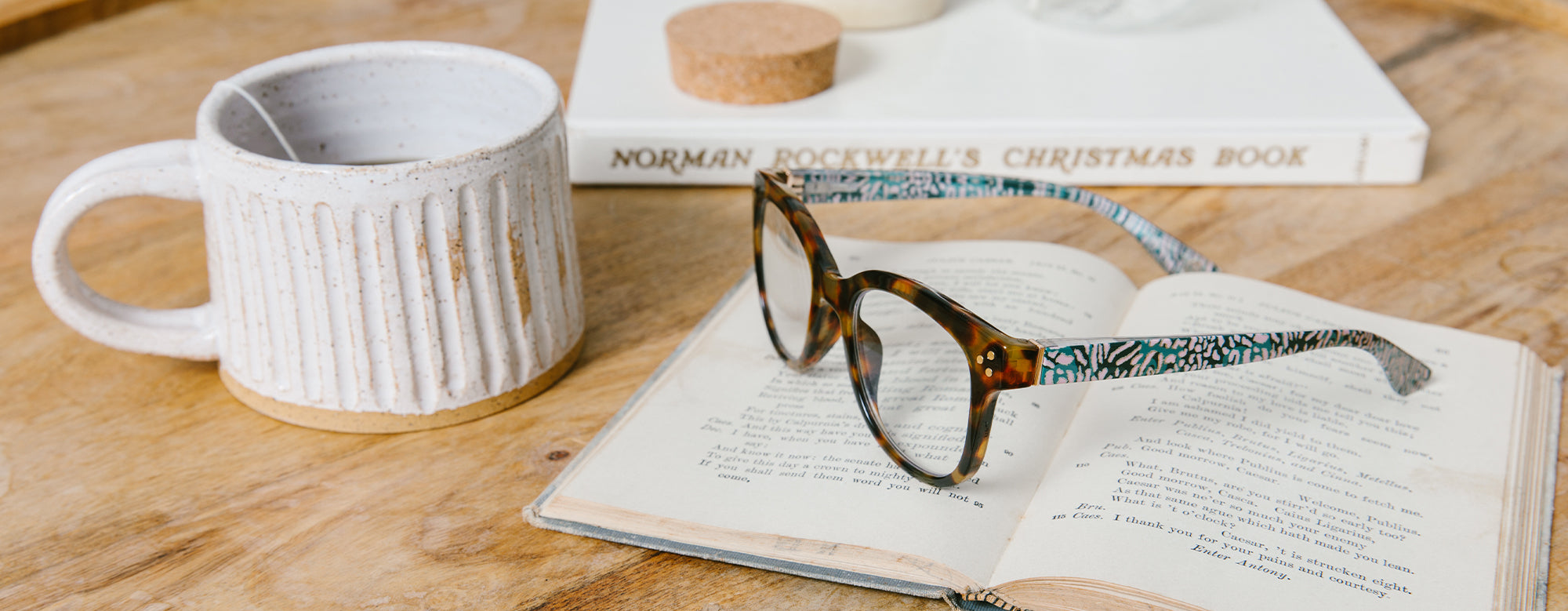
What Are Reading Glasses?
Reading glasses are magnification glasses available over the counter, with magnifications generally ranging from +1.00 to +4.00 diopters. Reading glasses can come as sunglasses to use outside or with blue light lenses to use at a computer or screen.

How Do I Know If I Need Reading Glasses?
We recently did a whole blog post on how to tell if you need reading glasses and the right magnification for you, which you can refer to here.
A doctor can confirm a need for reading glasses with a quick eye exam. However, good signs that you may need reading glasses include:
Age can also be a great indicator of whether or not you need reading glasses. Most people experience eye degeneration starting at around 40, and eyesight continues to worsen until about age 65.
What Do Reading Glasses Do?
Reading glasses magnify the information coming into your eyes, making it easier for the internal lenses in your eyes to focus on nearby objects. They’re not meant to be worn all the time. You might tuck your glasses case into your purse or choose a simple cord so you can wear them around your neck. Some people even need two pairs of reading glasses: one to read very close print, like books, and another for mid-distance reading, like a computer screen.
Reading glasses don’t cause your eyes to weaken over time, despite common myths to the contrary. However, they won’t correct underlying medical conditions like astigmatism, so it’s still important to have your yearly eye exam, especially if you’re noticing problems like doubled vision.

What’s the Difference Between Reading Glasses and Distance Glasses?
There are all kinds of eye conditions that can cause a person to need glasses. Reading glasses are a solution to one specific eye problem called presbyopia, which is a term used to describe the struggle to see things that are close to you. The lenses curve outward and are generally worn only when you’re dealing with close-up reading (though for people with a desk job, this may still be large swathes of the day).
Distance glasses, on the other hand, are used to treat a condition called myopia, which describes the struggle to see things that are far away. These lenses curve inward to help your eyes focus on far away objects. Many people who need distance glasses wear them all the time, though they may take their glasses off in order to read.
Some people have both presbyopia and myopia—they need both reading glasses and distance glasses. In those instances, they can either swap between two pairs of glasses or get a pair of bifocals from their doctor.

Selecting the Best Reading Glasses for You
At Peepers, we offer an array of styles of reading glasses, allowing you to find the perfect readers to match your look. Whether you’re looking for one wear-everywhere pair of readers or you want to cultivate a collection of daring and fun statement glasses, we have what you need. Shop Oprah’s favs or search by color or frame shape to find the best readers to match your vibe.
What Are Reading Glasses?
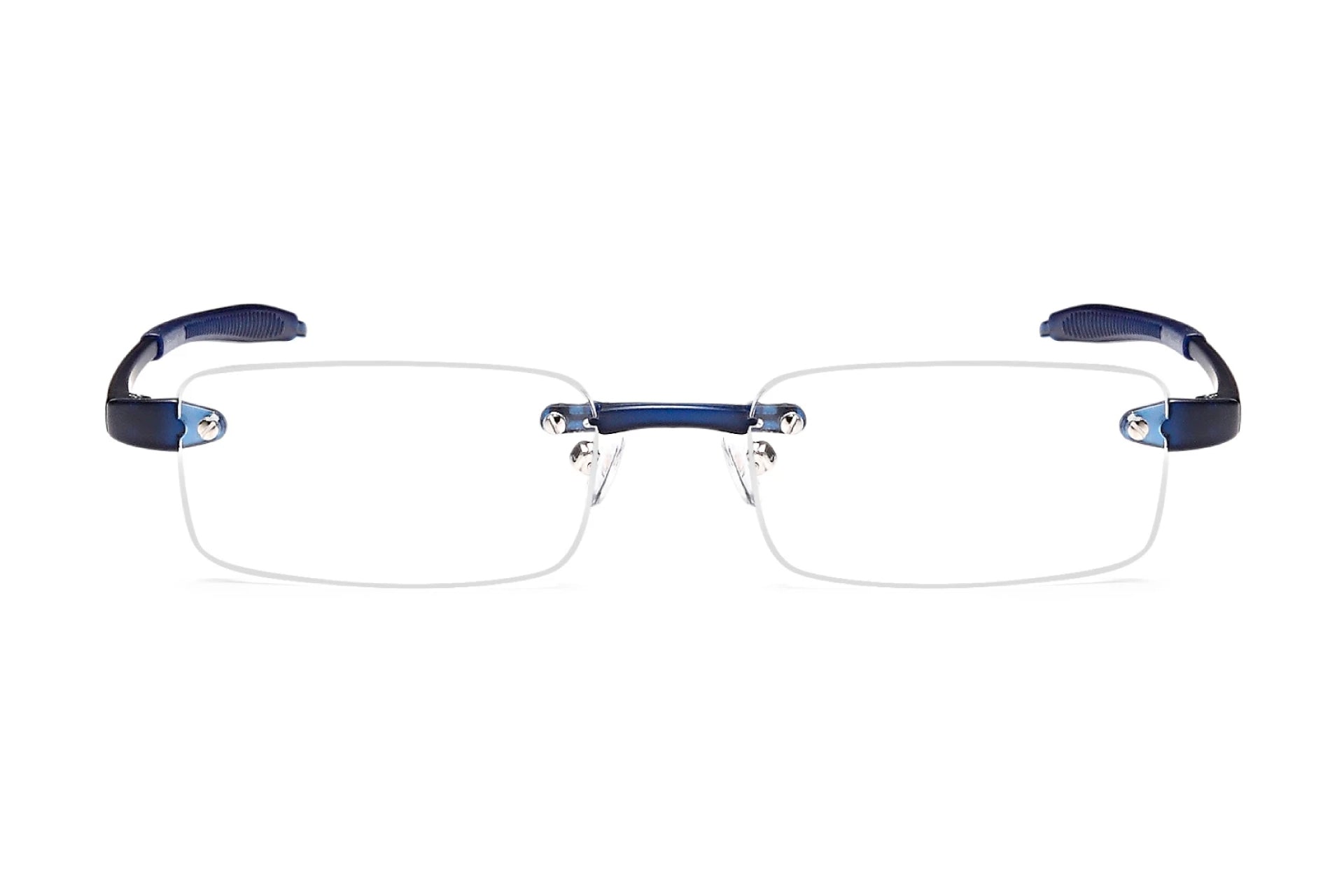
Sometimes it can be difficult to read small print or see things close up with complete clarity. Many people find that they benefit from reading glasses, a set of frames with lenses that use magnification to enlarge whatever is in your viewing area. You don’t need a doctor’s prescription to purchase reading glasses and you can choose from various strengths of magnification to meet specific needs.
Jump to:
Do I Need Reading Glasses?
As we age, our eyes naturally go through changes. Even if you have had perfect vision your entire life, it’s likely that around the age of 40 you’ll start to struggle a bit when reading things up close. Many people first notice they could use reading glasses when they go out to eat and try to read the menu, while others find that activities like sewing or tying flies when fishing becomes more difficult on their eyes.
Anyone who needs reading glasses is said to have presbyopia or farsightedness. Sometimes, if you already wear glasses for seeing long distances, you’ll find that you now need a correction for both near and far vision. If you’re not sure if reading glasses are right for you, consider these situations and ask yourself if you’ve experienced difficulty with the following:

How Do Reading Glasses Work?
Just as most parts of our body change as we get older, our eyes are no exception. The process of being able to see clearly doesn’t always function in the same way throughout our whole life, and most people start to experience changes in their eyesight around age 40. This means that seeing close up can be more challenging as the eyes have a harder time adapting to seeing at this focal point. Some people might need glasses for both near and far vision while others use reading glasses only.
In order to help close items look more clear, reading glasses use a magnified lens. This enlarges whatever is in the viewing area and takes the strain off of your eyes. Reading glasses can be used to quickly look up something on your phone or may be used for long periods of time when sewing or reading a book. It’s smart to keep a pair of reading glasses with you at all times just in case you need to see something up close.
Are Reading Glasses the Same As Prescription?
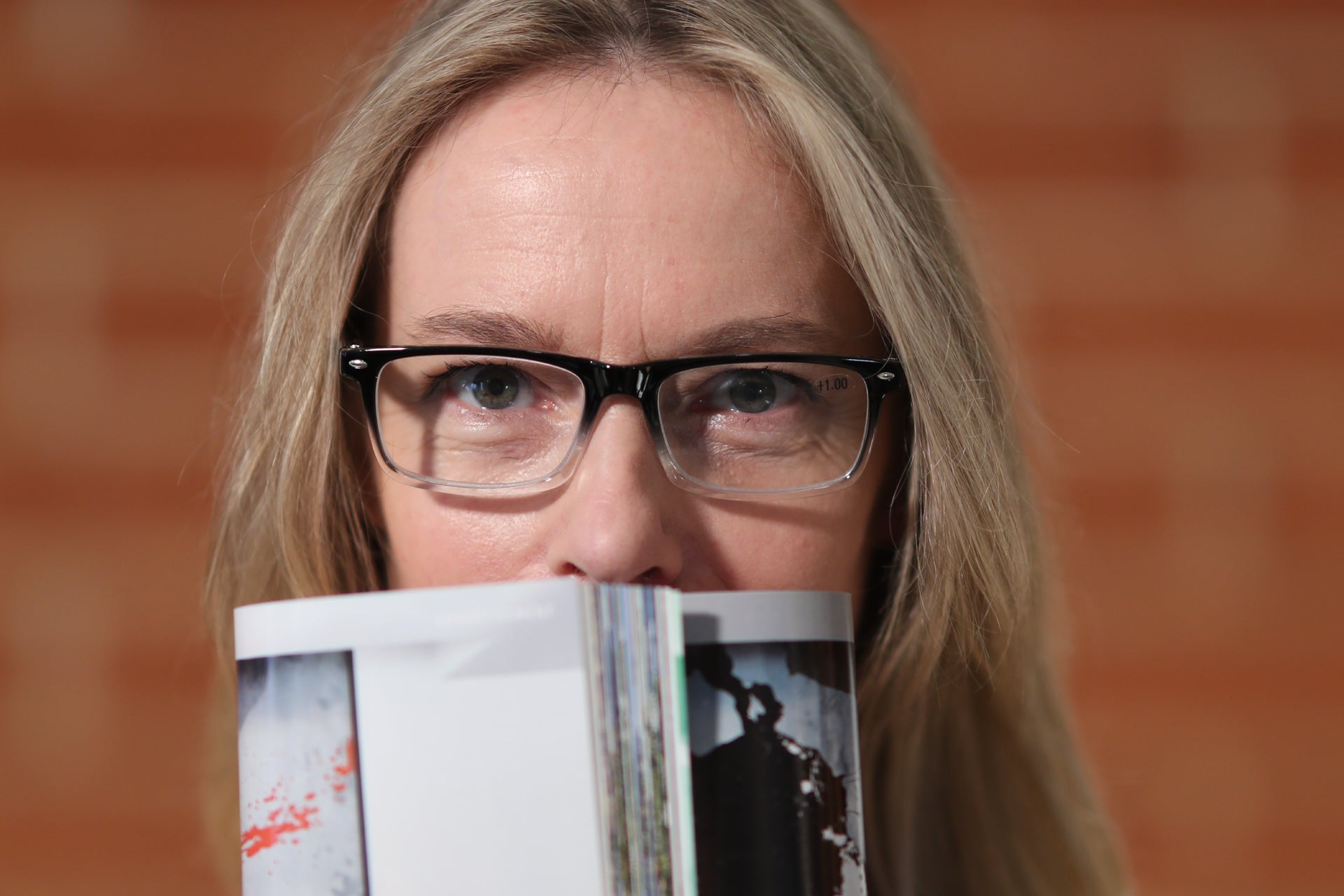
Many people wonder what the difference is between reading glasses and prescription glasses because, at first glance, they seem to do the same thing. Designed to help magnify your close vision, reading glasses are made to be used occasionally throughout the day and are not intended to correct vision problems. In a way, they are no different than holding up a magnifying glass to read.
Prescription reading glasses are far more expensive and can only be purchased at your optometrist’s office. This eyewear is custom-made for your specific visual needs and often works to correct more than just presbyopia. Most prescription glasses are manufactured using high-quality materials and offer a wide range of styles to choose from.
Reading Glasses Strength
Just like our vision isn’t the same as everyone else’s, reading glasses aren’t a one-size-fits-all solution. Reading glasses come with different strengths of magnification and can be used for various purposes. Called diopters, the strength of the lenses may vary based on your age and how you use your reading glasses.
People who just start to use reading glasses for the first time may opt for a +1.00 pair, indicating a strength of one diopter. Typically available in quarter steps, the magnification power increases and often reaches up to +4.00. You may want various strengths for different activities or could find that you require stronger lenses as you get older. Remember, no two pairs of eyes are the same, so it’s best to choose reading glasses that work for your needs rather than buying what your friends or family wear.
Types of Reading Glasses
Whether it’s your very first pair or you’ve worn a vision correction for years, selecting reading glasses isn’t like other shopping experiences. Not only are there a range of magnification options to choose from but even the lens styles themselves can vary. It’s smart to think about when you’ll use your reading glasses throughout the day and then decide which style is right for you.
Let’s explore three of the most common types of reading glasses available. Each has its own benefits and you could find that different styles work best for different activities. Reading glasses may not require a prescription but you can tailor your purchases to best suit your lifestyle. Stylish reading glasses can even help you to express yourself when you’re at the office or reading a menu at a restaurant.
Full Readers
Considered to be the most common style of reading glasses, full readers contain a single magnification throughout the entire lens. They offer clear vision up to 18” away from your face and can be worn for most types of close activities.
Shop Full Readers

Computer Readers
Computer readers are similar to full readers with a slight variation as they are designed for computer use only. These glasses provide clarity at a distance between 20” and 26” and can be worn for long periods of time to combat eye fatigue while on the computer.
Shop Computer Readers

Bifocal Sunglass Readers
Another option to consider is a bifocal reader, which combines two different prescriptions in one lens. When you look straight ahead you can see clearly far away, and just below a faint line in the lens, you’ll be able to read up close. Many people enjoy these in a sunglass option for reading by the pool.
Shop Bifocal Readers
Types of Reading Glasses Frames
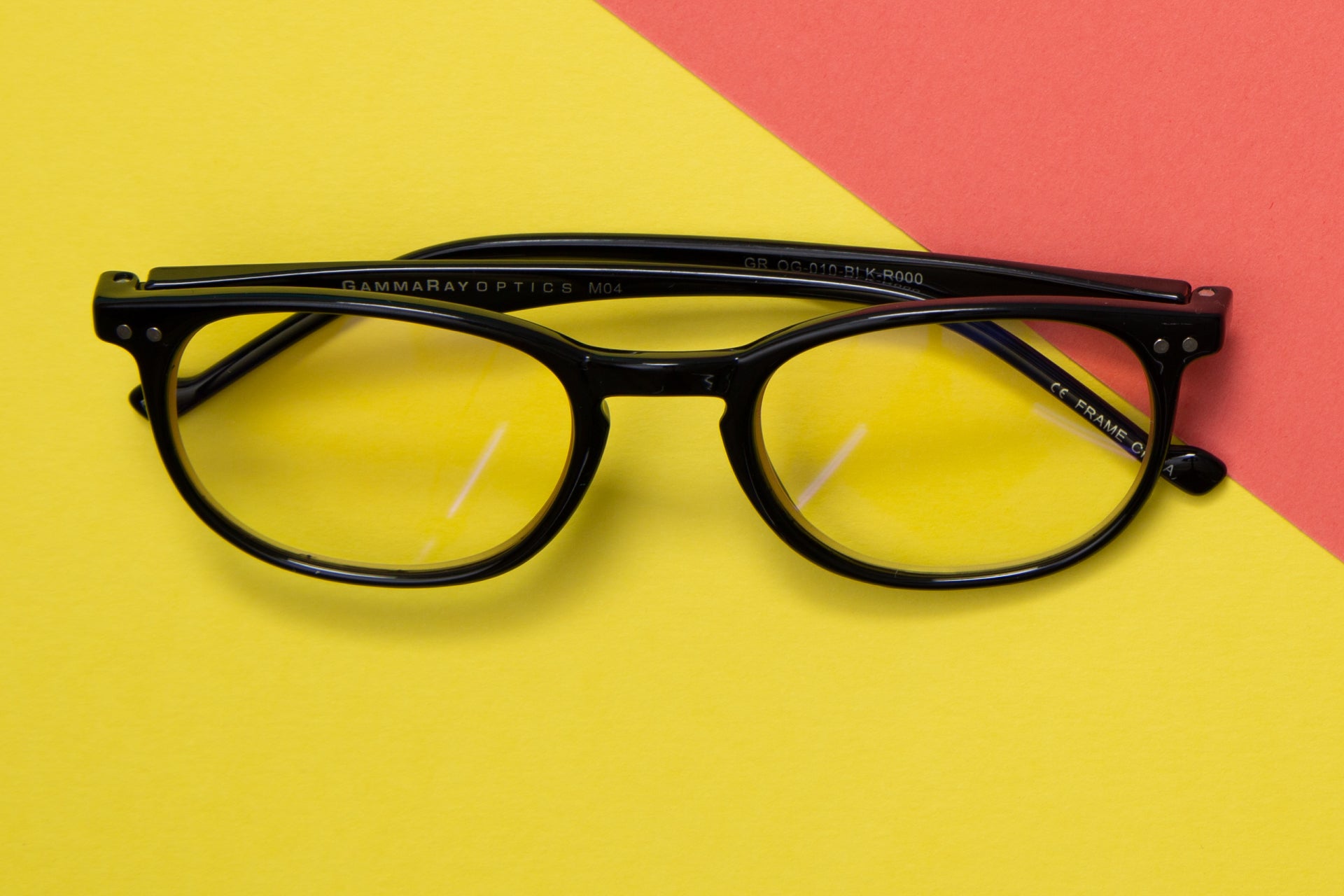
Reading glasses are designed to be just as fashionable as they are functional with a range of styles to choose from. It’s important to consider your overall comfort when it’s time to purchase readers, as you may find that you wear them for many hours each day. While you may not have a say regarding the strength of the reading glasses that you need, you can most certainly select a style that best suits you.
Today’s reading glasses come in a variety of colors, materials, shapes, and more, but there tend to be three main options when talking about the frames themselves. If you use reading glasses at home, at work, or find that you need additional pairs to keep around the house, it’s fun to purchase different styles and change things up every day!
Full Frame
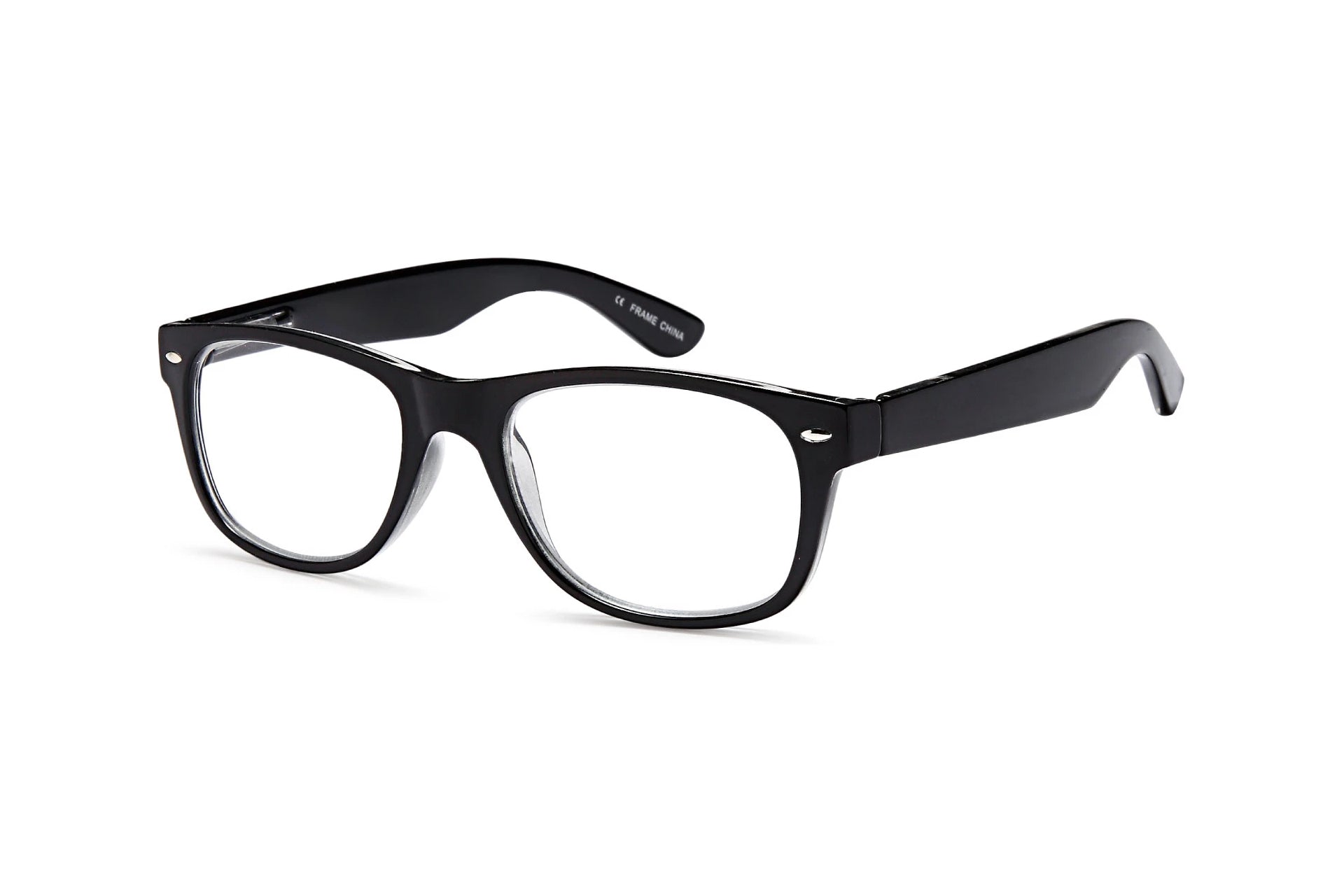
Sturdy and bold, full frame reading glasses are available in just about every color you can imagine! This eyewear can be made from different types of metal or plastic and is a popular option for most people. Full frame reading glasses are great for people on the go as they are very durable.
Shop Full Frame Glasses
Half Frame
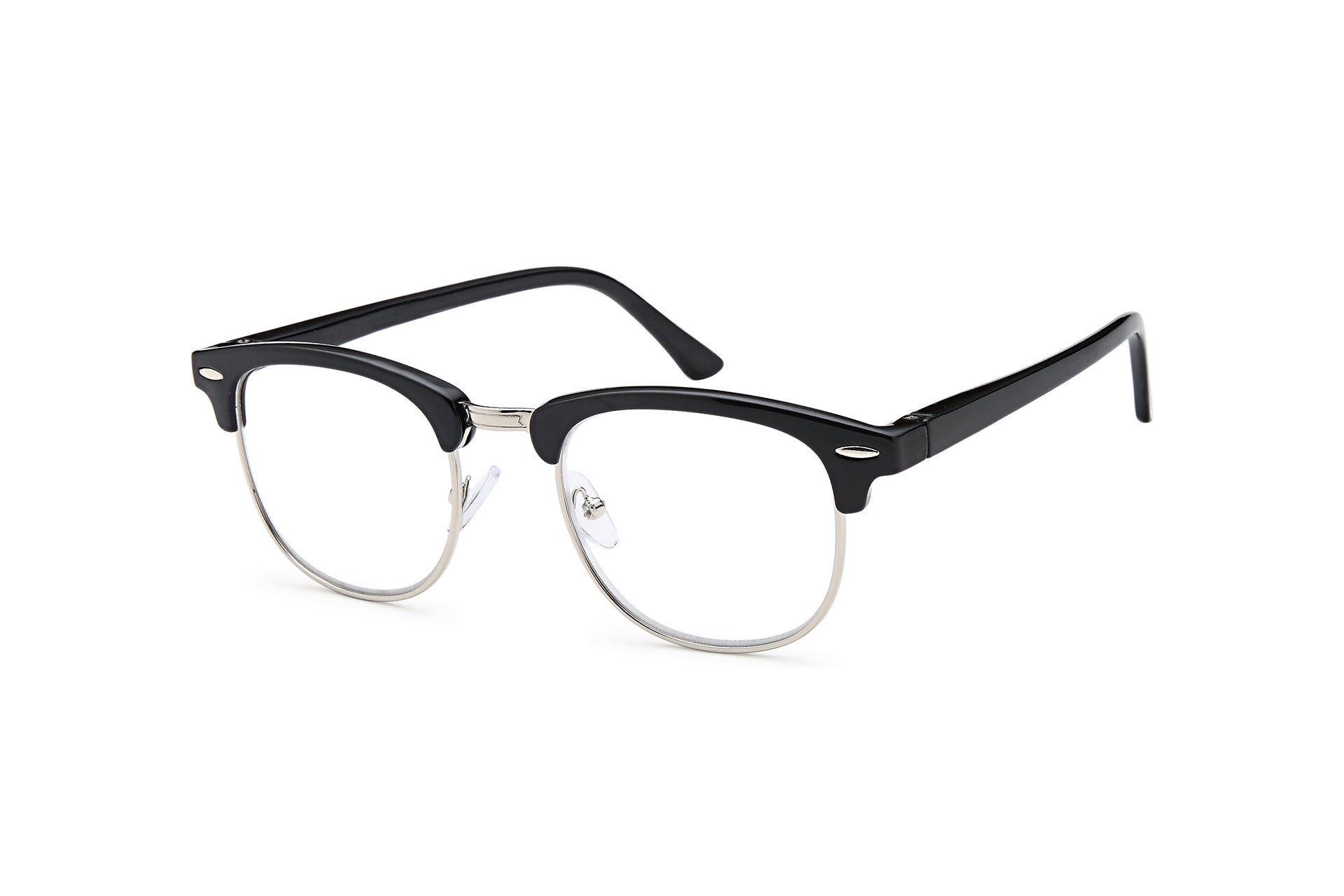
If you’re in need of a more sophisticated style, half frame reading glasses will be your new favorite. They are made using metal or plastic on the top portion of the lens with the bottom exposed. Half frame reading glasses are lightweight while remaining strong.
Shop Half Frame Glasses
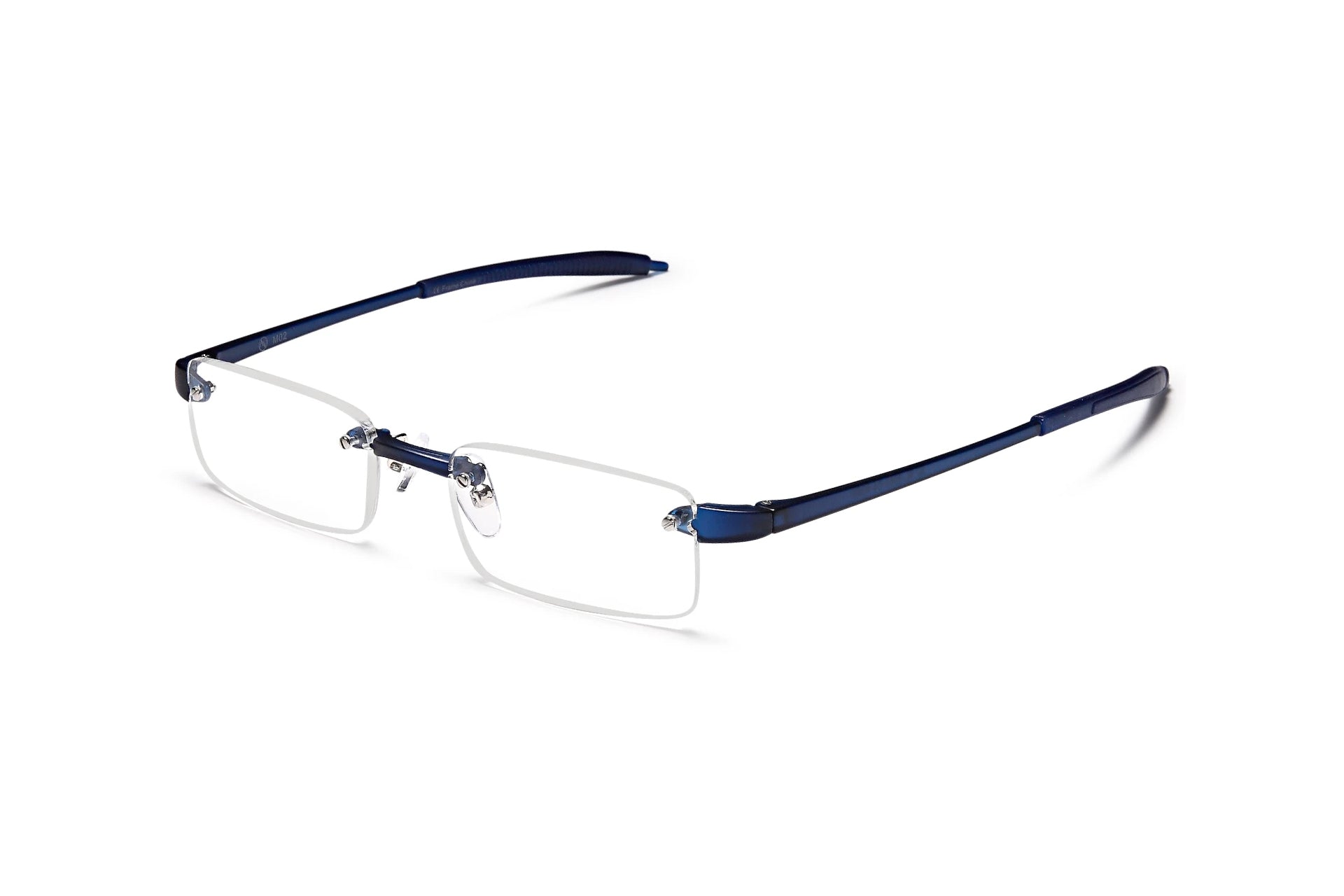
Rimless
A timeless style that’s incredibly light on the face, rimless reading glasses are the perfect option for someone who wants their glasses to be nearly invisible. The lenses are mounted directly to the bridge and temples and, while still durable, are the most delicate of your options.
Shop Rimless Glasses
Reading Glasses Test
If you’ve never worn reading glasses before or you find that your vision has recently changed, it might be tough to know which lens strength is right for you. While this chart is in no way a replacement for seeing your eye doctor, you may want to print our diopter chart to better help you determine which reading glasses to purchase.
Simply hold the chart at a comfortable reading distance. You’ll find that some lines are easier to make out than others. Each line is associated with a number indicating the strength of reading glasses needed to see it clearly. Once you reach the line that’s difficult to read, take a look at the number next to it and that’s the reading glasses strength you’ll find success with!
Print Magnification Test Here
Should I Try Reading Glasses?
For most people, using reading glasses on a regular basis opens up a new world of possibilities. No longer do you have to hold printed material at an arm’s distance or deal with eye strain when trying to read your favorite book. Reading glasses offer you the ability to regain your close vision and help you to enjoy day-to-day tasks with ease.
At some point in time, everyone will deal with blurry eyesight up close so instead of trying to fight your vision change, why not embrace it with a beautiful pair of reading glasses? Consider purchasing several pairs to keep in your home, car, at the office, or in your purse. With an array of styles, colors, and strengths to choose from, wearing reading glasses has become something to look forward to.
Frequently Asked Questions
Individuals with perfect vision may find that reading glasses do not help them to see clearly up close, however, you won’t be doing any harm to your eyes if you choose to wear them. People with perfect vision may take longer to adjust to reading glasses than those who have presbyopia.
Reading glasses are often referred to as OTC items, or “over the counter” glasses, as you don’t need a prescription to purchase them. You’ll find that a range of magnification strengths are available for various close-range activities.
If you already wear prescription eyewear, your reading glasses are not designed to take the place of them. Instead, your reading glasses can be used to help you with specific tasks and may make the transition to bifocal glasses easier.
As reading glass lenses magnify whatever is in your field of vision, it may or may not be safe to wear them all day. If you need to drive or engage in tasks that require you to see far away, you may want to take your reading glasses off.
Reading glasses: How they help with up-close vision

Lori Steigerwald sees reading glasses from a unique perspective: She wears them and sells them.
Steigerwald has worn reading glasses for about 25 years. As national sales manager for retailer I Heart Eyewear and wholesaler Ron’s Optical in Livermore, California, she has sold hundreds upon hundreds of pairs of reading glasses.
As such, Steigerwald understands the importance of donning a pair of high-quality reading glasses if your up-close vision isn’t what it used to be.
“Consumers need to know what differentiates a good pair from a pair that, over time, can cause headaches,” she says. “Knowledge is what makes everyone a better consumer. When it comes to your eyes, you should not fool around.”
We’re not going to fool around, either. We’re here to give you valuable insights into reading glasses — what they are, when you need them, how to pick the right pair for your eyes and face, what the alternatives to reading glasses are, and what some of the common myths are about reading glasses.
What are reading glasses?
Reading glasses, available in over-the-counter or prescription versions, improve the ability to read something up close, such as a book or a computer screen.
Alabama optometrist Dr. Samuel Pierce, past president of the American Optometric Association, says over-the-counter reading glasses — which can be purchased at drugstores, department stores and other general retailers without a prescription — are designed for short-term wear, and are best suited for people who have the same lens power, or strength, in each eye and don’t have astigmatism, a common condition that causes blurred vision.
The Vision Council, a trade group, says the lens power of over-the-counter reading glasses typically ranges from +1 to +4.
Over-the-counter reading glasses are an acceptable option for people who have good distance vision (farsightedness), says Dr. Ming Wang of Wang Vision 3D Cataract & LASIK Center in Nashville.
However, if you suffer from computer eyestrain or double vision, then it’s wise to explore prescription reading glasses, Wang says.
Prescription reading glasses are meant to be worn for extended periods, Pierce says, and are ideal for people with astigmatism, myopia, serious eye disorders or unequal prescription strength in each eye.
SEE RELATED: Reader sunglasses: Who needs them
When do you need reading glasses?
Just about anyone in their 40s and beyond will, at some point, need reading glasses (or another type of near-vision correction), Wang says.
Reading glasses help compensate for diminished vision related to presbyopia, the normal age-related loss of the ability to focus on up-close objects, such as words in a book or a text message on a smartphone.
Dr. Michelle Andreoli, an Illinois ophthalmologist and clinical spokesperson for the American Academy of Ophthalmology, says you typically realize the need for reading glasses if you encounter trouble reading small print when you’re tired and when lighting in the room is dim, or if you find that it’s easier to read something when you pull it a little farther away from your face.
How do I pick the right reading glasses for me?
Before selecting your reading glasses — even the over-the-counter kind — visit with your eye care professional. Experts recommend a yearly eye exam to check for problems like glaucoma, cataracts and macular degeneration, even after you’ve gotten reading glasses.
For computer work, most people can get by with low-power reading glasses (+1.25 to +1.5), Wang says. For reading things that are closer, stronger glasses might be in order (+2.0 to +2.5). As you age, the power you need likely will increase.
Wang notes that some people require one lens power for general up-close reading and another power for extended reading like computer use — meaning that just one pair of reading glasses might not do the trick.
Pierce warns that headaches, eyestrain and even nausea can result from putting on reading glasses that don’t have the proper lens power.
Once you’ve determined the right power, then focus on glasses with high-quality lenses and sturdy frames, Wang recommends.
“Lower-quality, less expensive reading glasses may be made with low-quality lens materials, which can cause vision distortion, color distortion or glare. This can contribute to difficulty focusing when reading. It is worth spending a little extra to get better visual quality,” Wang says.
When shopping for over-the-counter reading glasses at a store, Andreoli recommends:
Grabbing a greeting card from the greeting card aisle.
Heading to the rack where reading glasses are sold.
Trying on glasses as you’re holding the greeting card at a comfortable distance.
Selecting the glasses that let you clearly and easily see the greeting card.
Making an appointment with your eyecare professional if you’re unable to decide on a pair of glasses.
From a style perspective, Steigerwald, the eyeglass sales manager, suggests choosing glasses that best fit your face shape and your fashion sense.
You might prefer smaller, more traditional reading glasses, she says, while someone else might opt for larger, chunky, outside-the-box frames.
You might even maintain a collection of glasses, as Steigerwald does, so you can switch your look whenever the mood strikes you.
If you’re torn about which glasses to buy, solicit an honest assessment — in person or via texted selfies — from a friend or loved one about whether the pairs you’re considering are flattering.
“You just have to find the perfect pair for your face,” Andreoli says. “And I think that with the perfect pair on, most faces look better in glasses than not in glasses.”
What are the alternatives to reading glasses?
Among the alternatives to reading glasses are multifocal glasses, multifocal contact lenses and surgery (including monovision LASIK and refractive lens exchange), Wang says.
Of course, you can simply try to wing it without reading glasses, but that puts you at risk of eyestrain, which can trigger headaches, double vision and other problems.
What are some common myths about reading glasses?
One of the most common myths: Wearing reading glasses will cause your eyes to weaken. That’s not true, Wang says.
Yet another myth: Undergoing cataract surgery will fix your eyes, meaning you can ditch your reading glasses. That’s also not true, Wang says.
Andreoli notes that you might have underlying vision issues that can’t be corrected with reading glasses.
And then there’s the notion that reading glasses make the wearer look old. Eye care professionals dismiss that as an old way of looking at reading glasses, particularly considering that more than 150 million Americans wear vision-correcting eyeglasses.
“I like to remind people that studies show that many people feel that someone wearing reading glasses is often perceived as more intelligent than someone who does not,” Wang says.
Page published on Wednesday, February 27, 2019